

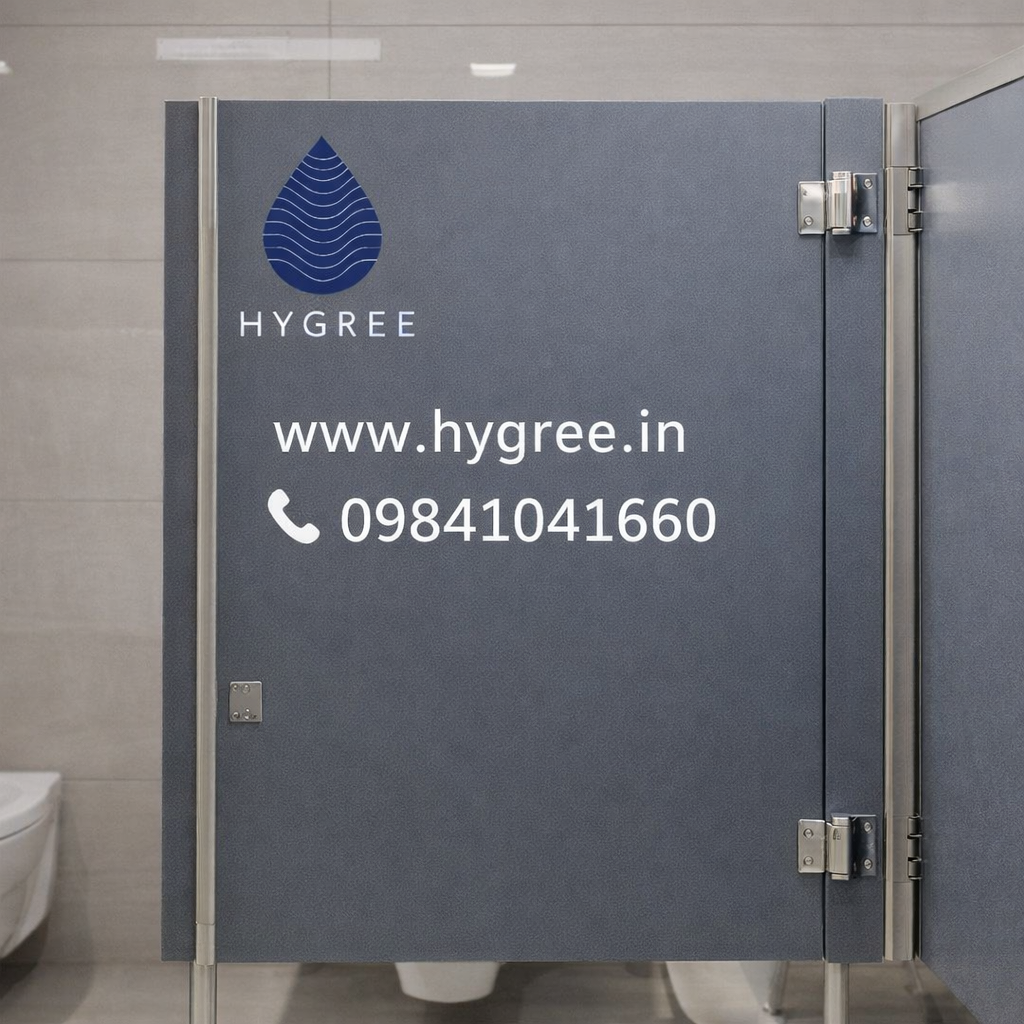
The Growing Importance of Toilet Cubicle Partition Systems in Modern Commercial Washrooms
In today’s fast-paced world, commercial and public facilities are placing greater emphasis on creating clean, functional, and visually appealing restroom environments. Whether in office buildings, shopping malls, airports, schools, hospitals, or hospitality establishments, washrooms are no longer considered secondary spaces. Instead, they play a significant role in shaping user experiences and maintaining hygiene standards. At the center of modern restroom design is the toilet cubicle partition, a practical solution that combines privacy, durability, and aesthetics.
A well-designed toilet cubicle partition system provides individual restroom compartments that offer users comfort and privacy while maximizing the use of available space. As architectural trends continue to evolve, these partition systems have become an essential component of commercial washroom planning.
Understanding the Role of Toilet Cubicle Partitions
A toilet cubicle partition is a structural system used to divide restroom areas into separate enclosed spaces. These partitions create private cubicles for users while maintaining an organized and efficient restroom layout.
Modern partition systems are designed using advanced materials that can withstand heavy usage, moisture exposure, and regular cleaning. Unlike traditional restroom dividers, contemporary cubicle partitions focus on durability, hygiene, and visual appeal, making them suitable for a wide range of applications.
From small office washrooms to large public facilities, a high-quality toilet cubicle partition contributes significantly to user comfort and restroom functionality.
Why Privacy Matters in Public Restrooms
Privacy remains one of the most important considerations when designing a washroom. Visitors, employees, customers, and guests expect a secure and comfortable environment when using restroom facilities.
A professionally installed toilet cubicle partition creates clearly defined personal spaces that allow users to feel at ease. Properly designed cubicles minimize gaps, improve enclosure quality, and provide adequate separation between users.
This enhanced level of privacy improves the overall restroom experience and reflects positively on the organization maintaining the facility.
Durability for High-Traffic Environments
Commercial restrooms often experience heavy daily usage, making durability a critical factor in material selection. A reliable toilet cubicle partition must withstand constant opening and closing of doors, accidental impacts, moisture exposure, and frequent cleaning.
Modern partitions are commonly manufactured using materials such as:
- Compact laminate
- High-pressure laminate (HPL)
- Solid plastic panels
- Stainless steel
- Powder-coated metal
- PVC panels
These materials offer exceptional resistance to wear and tear while maintaining their appearance over extended periods. Investing in a durable toilet cubicle partition system reduces maintenance costs and extends the lifespan of restroom infrastructure.
Enhancing Washroom Hygiene
Maintaining hygiene in public restrooms has become increasingly important in recent years. Clean and sanitary washrooms contribute to better health outcomes and improved customer satisfaction.
A modern toilet cubicle partition is often constructed using non-porous materials that resist moisture absorption and bacterial growth. Smooth surfaces are easier to clean and sanitize, helping maintenance teams maintain high cleanliness standards.
Many partition systems are specifically designed to prevent water damage, mold formation, and staining, ensuring long-term hygiene performance.
Aesthetic Appeal and Interior Design Flexibility
Today’s restroom designs focus not only on functionality but also on aesthetics. A visually appealing washroom can enhance the overall image of a commercial property.
Modern toilet cubicle partition systems are available in a wide range of colors, textures, finishes, and styles. Architects and designers can select options that complement the overall interior design of the building.
Popular finishes include:
- Wood grain textures
- Matte solid colors
- Metallic finishes
- Stone-inspired patterns
- Contemporary minimalist designs
This design flexibility allows businesses to create sophisticated washroom environments that leave a positive impression on visitors.
Space Optimization in Commercial Facilities
Efficient use of space is a key objective in commercial construction projects. A carefully planned toilet cubicle partition layout helps maximize available floor area while maintaining user comfort and accessibility.
Modular partition systems can be customized to fit different room sizes and configurations. Whether designing a compact office restroom or a large public washroom, partitions can be arranged to optimize traffic flow and functionality.
This adaptability makes partition systems suitable for various sectors, including:
- Corporate offices
- Educational institutions
- Healthcare facilities
- Airports
- Hotels
- Restaurants
- Shopping centers
Accessibility and Inclusive Design
Modern building regulations emphasize accessibility for all users, including individuals with disabilities. A thoughtfully designed toilet cubicle partition system supports inclusive restroom environments by accommodating accessible cubicles.
Accessible partitions typically feature:
- Wider entrances
- Additional maneuvering space
- Grab rail integration
- Easy-to-operate locking systems
- Compliance with local accessibility standards
By incorporating accessibility into restroom planning, organizations demonstrate their commitment to inclusivity and user comfort.
Environmental Benefits of Modern Partition Systems
Sustainability has become a major consideration in construction and facility management. Many manufacturers now produce environmentally responsible toilet cubicle partition systems using recyclable materials and sustainable manufacturing processes.
Eco-friendly partition solutions help organizations:
- Reduce environmental impact
- Improve green building certifications
- Minimize material waste
- Support sustainability goals
Long-lasting materials also contribute to environmental conservation by reducing the need for frequent replacements and repairs.
Low Maintenance and Cost Efficiency
One of the greatest advantages of a high-quality toilet cubicle partition system is its low maintenance requirement. Durable materials resist scratches, stains, corrosion, and moisture damage, reducing repair costs over time.
Facility managers benefit from:
- Easy cleaning procedures
- Reduced maintenance expenses
- Longer service life
- Improved operational efficiency
Although premium partition systems may involve a higher initial investment, their long-term value often outweighs the upfront cost.
Choosing the Right Toilet Cubicle Partition
Selecting the ideal toilet cubicle partition requires careful consideration of several factors, including:
Material Quality
Choose materials suitable for the expected level of usage and environmental conditions.
Design Requirements
Consider the overall aesthetic vision of the facility and select finishes that align with the design theme.
Budget
Evaluate both installation costs and long-term maintenance expenses.
Durability
Prioritize materials known for strength, water resistance, and longevity.
Accessibility Compliance
Ensure the partition system meets local building regulations and accessibility standards.
Maintenance Needs
Select surfaces that are easy to clean and resistant to damage.
The Future of Toilet Cubicle Partition Systems
As commercial architecture continues to evolve, the demand for innovative toilet cubicle partition solutions is expected to grow. Future developments may include antimicrobial surfaces, smart locking systems, touch-free features, and enhanced sustainability initiatives.
Businesses and institutions increasingly recognize that restroom quality contributes to overall user satisfaction. Modern partition systems will continue to play a vital role in creating comfortable, hygienic, and visually appealing washroom environments.
Conclusion
A well-designed toilet cubicle partition is much more than a simple divider. It serves as a critical element in ensuring privacy, hygiene, durability, accessibility, and aesthetic appeal within modern restrooms. From corporate offices and shopping malls to healthcare facilities and educational institutions, partition systems help create organized and user-friendly washroom spaces.
By investing in a high-quality toilet cubicle partition, facility owners can improve user experiences, reduce maintenance costs, enhance restroom aesthetics, and ensure long-term performance. As expectations for commercial washrooms continue to rise, reliable partition systems will remain a cornerstone of effective restroom design.
